
Expert clinical trichology for hair loss, hair thinning, and scalp conditions. Our registered trichologists diagnose the root cause and deliver targeted, evidence-based treatment plans that get results.
Trichology is the scientific study of the hair and scalp. A trichologist is a specialist who helps people resolve their hair and scalp problems — from common hair thinning and pattern baldness through to complex scalp disorders and dermatological conditions.
At Westbury Aesthetics, our objective is to tackle the problem from the root — not by surface presentation. We use detailed questionnaires, physical examination, pull tests, and trichoscopic analysis with a digital microscope to reach an accurate diagnosis and recommend the most effective treatment.
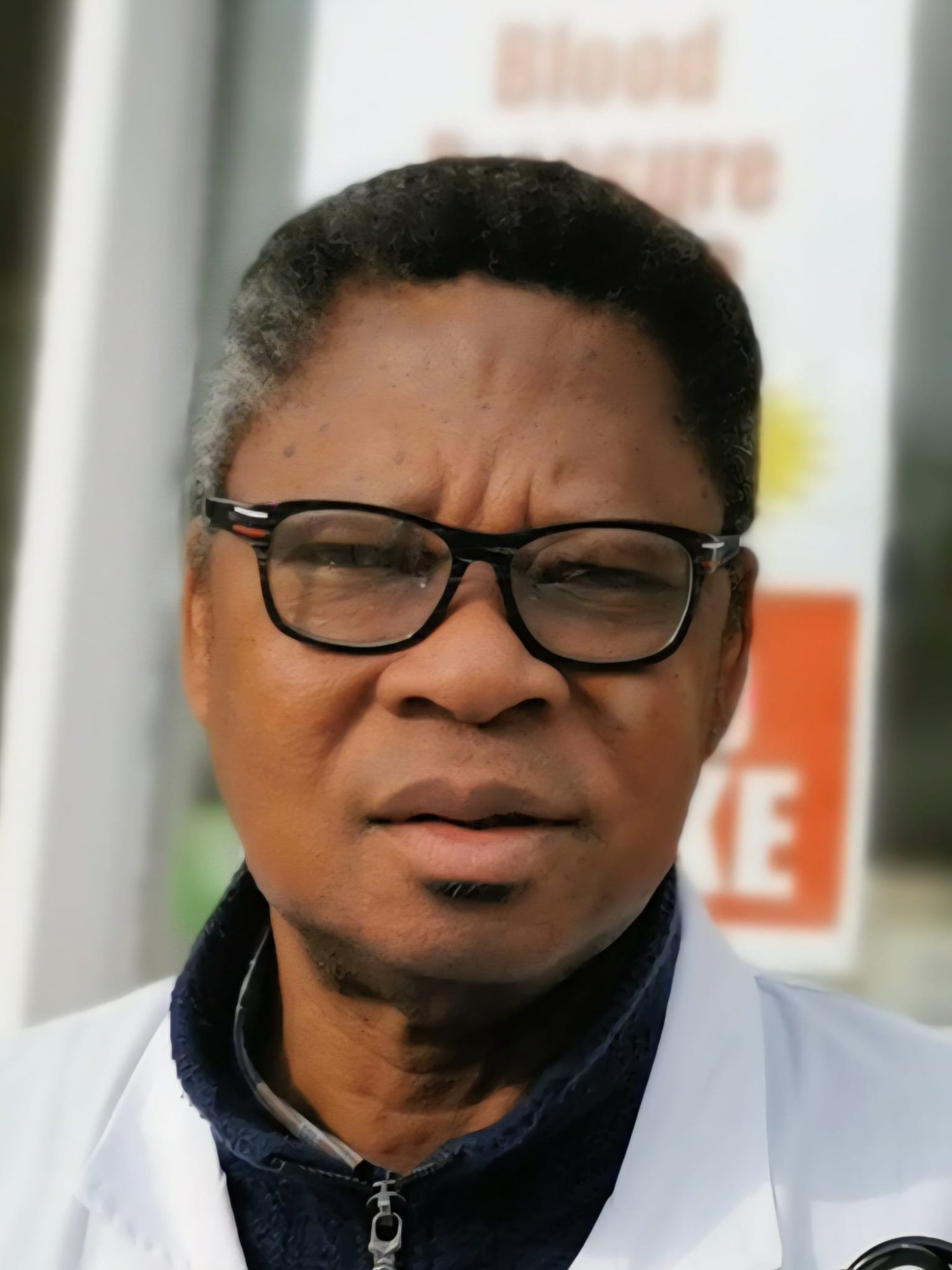
With a career spanning over twenty years, Cornelius is a highly respected figure in advanced aesthetics and regenerative medicine. Known for his meticulous attention to detail and a long-standing history of satisfied clients, he blends clinical excellence with a personalised, patient-first approach.
As a dedicated trichologist, Cornelius specialises in the science of the hair and scalp. His proven track record in hair rejuvenation has helped countless individuals regain their confidence through bespoke treatment plans that target the root causes of hair thinning and loss.
He is also a leading expert in male wellness, with specialised training in Shockwave Therapy and the P-Shot®, providing men with effective, science-backed options for enhancing performance and vitality.
Detailed medical history appraisal and structured questionnaire to understand your background and symptoms.
Thorough physical examination of your hair and scalp, including a pull test to assess active shedding.
Digital microscope examination of your hair and scalp in highly magnified detail for accurate diagnosis.
Personalised assessment, recommended treatments, and follow-up schedule at 3 months and 6 months.
Consultation Price: £100
Book a Trichology ConsultationAt Westbury Aesthetics, we use platelet-rich plasma (PRP) as an extraordinary means to encourage hair growth through the promotion of cellular maturation, differentiation, and proliferation in cases of androgenetic alopecia (male and female pattern hair loss).
When concentrated platelets are injected deep into the scalp to reach the bottom of the hair follicle, they stimulate dermal papilla cells — which play a critical role in hair growth. The process involves drawing blood from your vein, centrifuging it to separate and concentrate the platelets, then precisely injecting the platelet-rich plasma into the treatment area.
The treatment plan involves three sessions approximately one month apart, followed by maintenance treatments every three to six months to sustain results.
CLINICCARE Hair Energy is a professional mesotherapy cocktail designed to support hair growth and target various forms of thinning, including hormonal and hereditary patterns. Rather than being injected like a filler, the 8ml serum is delivered by microneedling or derma roller — tiny channels are created in the scalp so the formula can penetrate deep to the follicles, where it is needed.
For best results we recommend a course of six weekly treatments, followed by monthly maintenance sessions. A course of three sessions, including Cebelia Soothing Lotion aftercare, is £750. Individual results vary.
Book a CLINICCARE Hair Energy TreatmentAlongside in-clinic procedures, medication can play a central role in managing hair loss. The right option depends on your diagnosis, medical history and goals — all of which are assessed at your consultation.
Available over the counter in 2% and 5% solutions and foams, minoxidil supports blood flow and nutrient delivery to the hair follicles, helping to prolong the hair's natural growth phase.
It is applied directly to a dry scalp each day. Noticeable results typically require three to six months of continuous use.
For male pattern hair loss, oral prescription medicines can reduce the effect of DHT — the hormone responsible for shrinking hair follicles. Where a first-line option has not delivered the desired results, alternative prescription approaches may be considered.
For women, particularly where hair loss is linked to a hormonal imbalance such as polycystic ovary syndrome (PCOS), prescription treatments that address androgen activity may be appropriate.
UK regulations mean prescription-only medicines cannot be promoted directly. Your trichologist will discuss every suitable option with you at your consultation, and medication is prescribed and supplied only where clinically appropriate.
Book a Medical Hair Loss ConsultationLLLT uses clinical-grade red light — delivered through in-clinic devices, laser caps and combs — to stimulate the hair follicles. It works on live, viable follicles; it cannot revive follicles that are no longer active, which is why an accurate diagnosis always comes first.
With consistent use, results typically develop over three to six months, with peak results at around twelve months.
Multi-month package programme: £250. Premium Combined Hair Regrowth Package: £1,200–£2,500, typically bundling a three to six month course of 24–48 laser sessions alongside additional treatments — please phone for details. Individual results vary.
Book an LLLT TreatmentDrag the sliders to compare. These stylised illustrations show the typical pattern of change we monitor across a treatment plan — they are visual guides, not photographs of patients.
Illustrations are for guidance only — they do not show real patients and are not a promise of results. Genuine, consented patient photography can be viewed at your consultation, and we track your own before-and-after progress with trichoscopy imaging at your three- and six-month reviews.
There are between 100,000 and 120,000 hairs on the human scalp, with very few being shed at any particular time. Under normal circumstances, hair growth progresses through three stages:
Hair matrix cells proliferate and are pushed upward as the hair grows longer. The cells become keratinised — the visible hair shaft is dead material.
Matrix cells stop dividing, the hair follicle atrophies, and the hair ceases to grow.
Neither growth nor regression occurs. At the end, the hair is shed and replaced by new growth. About 100 hairs are lost per day normally.
For abnormal hair loss to occur, something must interrupt the normal hair growth cycle. With androgenetic alopecia, testosterone is converted into dihydrotestosterone (DHT) by the enzyme 5-alpha reductase, causing follicles to miniaturise over time.
Other factors affecting the hair growth cycle include anaemia, malnutrition, growth hormone deficiency, hypothyroidism, and pregnancy.
Book a private trichology consultation with Cornelius to discuss your tailored treatment plan for hair restoration or scalp conditions.